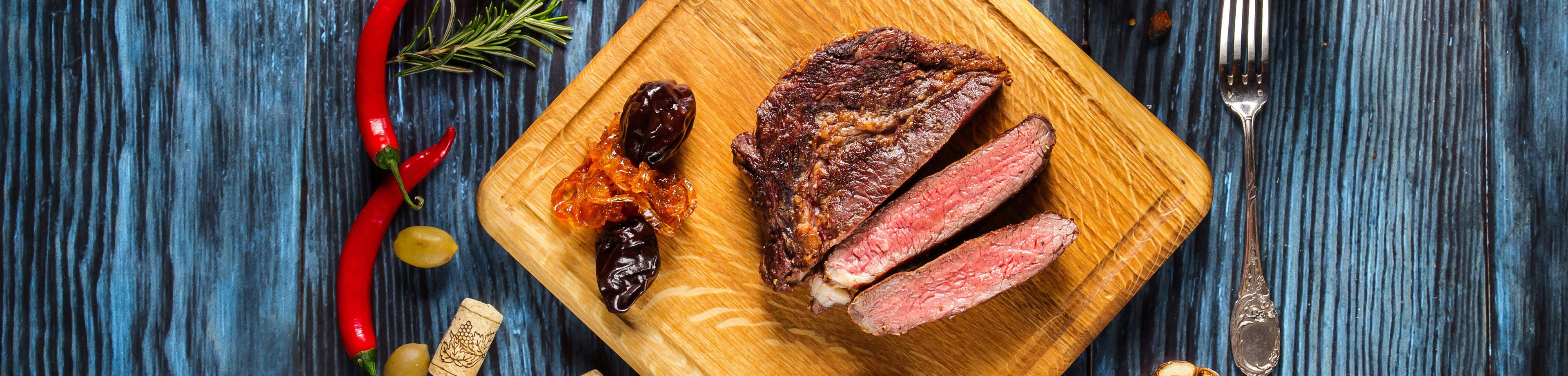

Canvas of Taste The Visual Symphony Behind Fine Dining
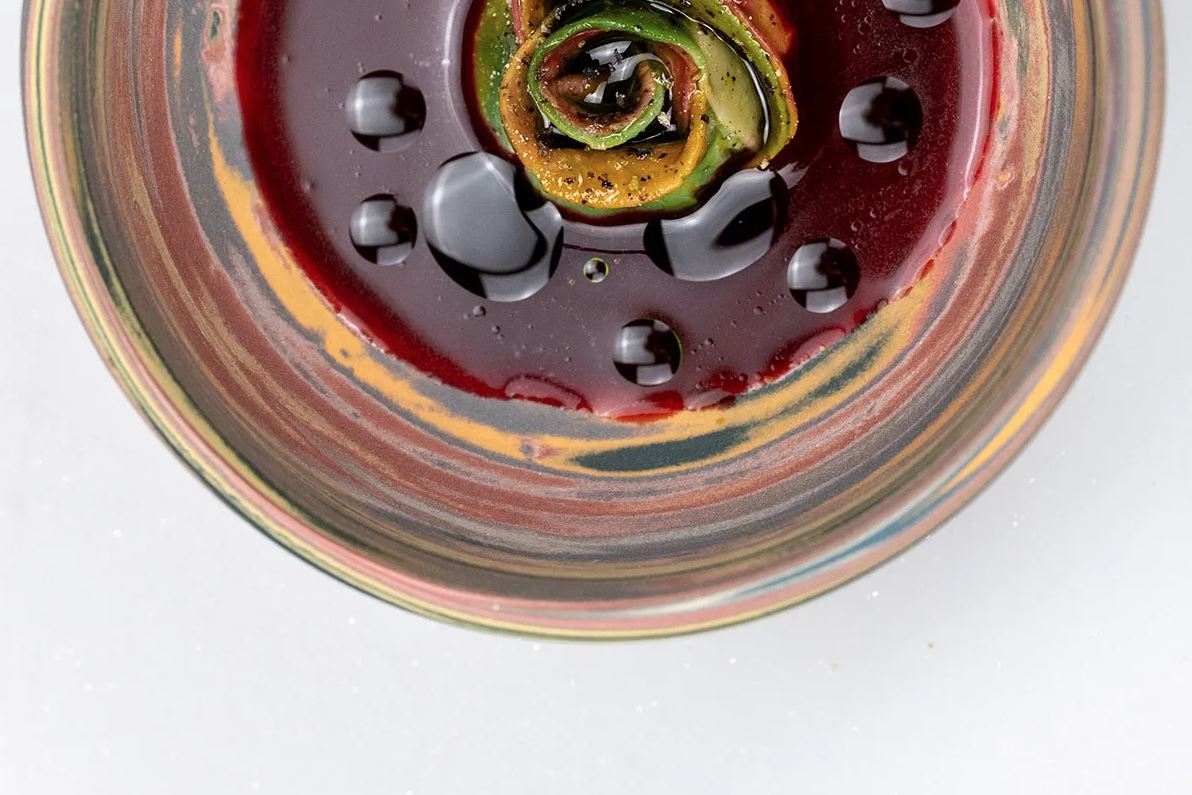
Color, Geometry, and Emotion Shape the Modern Culinary Experience
The Birth of a Visual Language in Cuisine
Food has always been more than nourishment. It is an expression of culture, artistry, and communication. The act of plating, once viewed as a simple step before service, has evolved into an art form that defines the identity of modern gastronomy. The plate has become a canvas, and the chef a painter of edible beauty. Each placement, each smear of sauce, and each stroke of garnish is guided by philosophy and emotion. What was once a matter of taste has grown into a symphony of sight, smell, and structure that speaks directly to the senses.
The evolution of plating parallels the rise of haute cuisine and the cultural shift that placed the dining experience at the center of human creativity. From the structured elegance of French fine dining to the minimalist precision of Japanese kaiseki, presentation has always reflected the values of its time. In contemporary kitchens, plating merges science and art, transforming the act of eating into a sensory dialogue between the creator and the diner. Every element is intentional, designed to stimulate anticipation long before the first bite.
The Psychology of the Plate
The way a dish is presented influences how it is perceived, not only aesthetically but psychologically. Human beings eat with their eyes before their mouths. Studies show that visual appeal can heighten flavor perception, influence texture interpretation, and even alter emotional response. A well-plated meal communicates care and sophistication. It signals quality and sets expectations for taste. When ingredients are arranged with purpose, they tell a story of balance and precision that prepares the diner to receive flavor with heightened awareness.
Color theory plays a vital role in this psychology. Warm hues like red and orange create excitement and energy, while cool tones like green and blue evoke calmness and freshness. Chefs often use contrast to guide the gaze, placing bright ingredients against neutral backgrounds to create focus. The shape and size of the plate also influence emotion. Round plates convey harmony and completeness, while square or asymmetrical plates evoke modernity and innovation. The visual narrative of plating is therefore not decoration but design, a deliberate language that enhances perception and deepens enjoyment.
Geometry and Flow The Architecture of Plating
Behind every plated dish lies the invisible discipline of geometry. Chefs construct compositions with principles borrowed from art, architecture, and nature. The rule of thirds, familiar to painters and photographers, divides the plate into imaginary grids, allowing for harmonious balance. Triangular arrangements create dynamic energy, leading the eye naturally through the elements, while circular formations foster unity and continuity. Each ingredient must coexist without overwhelming the whole, just as instruments in an orchestra complement one another to create music.
Movement is another key principle. A dish should invite the eye to travel. Sauces may be brushed in a sweeping arc or dotted in rhythm to suggest motion. Verticality adds drama, as in the towering elegance of a layered dessert or a stack of seared scallops. Minimalism, by contrast, celebrates space, allowing the void to highlight the essence of what remains. The art of restraint separates mastery from excess. A true plating artist understands that silence, like space on a plate, is not absence but expression.
The Palette of Ingredients
Ingredients themselves provide the natural color and texture that define the aesthetic of a dish. Chefs think like painters, selecting hues and contrasts that evoke both harmony and emotion. The vibrant green of a pea puree can represent renewal, while the deep crimson of beet reduction conveys intensity and passion. Edible flowers add delicate pops of color, while charred edges and toasted seeds introduce depth through darker tones. The interplay between light and shadow, gloss and matte, becomes as important as the flavors they conceal.
Texture, too, is a visual tool. The smooth surface of a puree against the crisp edge of a tuile creates a tactile tension that invites curiosity. Crumbles, foams, gels, and shards are not just technical experiments but visual languages. They break the monotony of form, introducing surprise and intrigue. The plate becomes a sensory landscape, where the eye, the tongue, and even the sound of the bite work together to create an immersive experience. Every detail, from the way oil glistens to how microgreens lean toward the light, contributes to the visual dialogue of taste.
The Role of the Vessel
The choice of plate or bowl is as critical as the food itself. It frames the dish, influences its mood, and sets the tone for how it will be experienced. A rustic ceramic dish tells a story of warmth and earthiness, while a sleek white porcelain plate speaks of purity and modern elegance. Some chefs even design custom tableware, blurring the boundary between sculpture and function. The plate is no longer passive, it is a partner in expression. Its shape, size, and material all interact with the food it holds.
Textures of the vessel can transform perception. A matte surface absorbs light and creates intimacy, while glossy finishes enhance color vibrancy. Deep bowls are used to cradle liquids and evoke comfort, while flat plates provide an open stage for structural artistry. Some avant-garde presentations abandon the plate altogether, serving on stone, wood, or glass to connect the diner more directly with nature. The vessel, like the frame of a painting, becomes a silent guide that shapes the viewer’s focus and emotional engagement.
Balance Between Nature and Innovation
The modern era of plating lives in tension between tradition and innovation. On one hand, chefs seek to honor the natural beauty of ingredients, letting them speak without manipulation. On the other, they embrace technology and technique to push aesthetic boundaries. Sous vide precision, dehydrated powders, and edible films are used alongside raw vegetables and hand-picked herbs. This balance reflects a broader philosophy of contemporary cuisine, where art and science coexist without contradiction.
Plating innovation is not about excess but evolution. Minimalist presentations emphasize purity and restraint, often using fewer components with greater clarity. Molecular gastronomy, on the other hand, challenges perception by reimagining texture and form. A sauce may appear as pearls, a broth as foam, a solid as vapor. Yet beneath all experimentation lies the same principle: harmony. The dish must feel natural, even when it surprises. The beauty of plating lies not in novelty alone but in coherence, where each technique serves the story the chef wishes to tell.
The Emotion Behind the Design
Beyond technique and structure, plating carries emotion. Every visual choice communicates feeling. A dish may evoke nostalgia through rustic presentation or excitement through vibrant abstraction. A soft color palette might suggest calmness, while sharp contrasts ignite curiosity. The intention behind plating is not only to please but to connect. A well-designed plate can recall memories, inspire imagination, and awaken empathy through its form and rhythm. It turns food into narrative, a story told through shape and hue rather than word or sound.
In fine dining, this emotional storytelling becomes central to the experience. Chefs often design tasting menus where each plate serves as a chapter, building toward a climax of flavor and feeling. The plating evolves with the journey, from simplicity to complexity, from light to richness. The visual progression mirrors the emotional arc of the meal. In this way, plating becomes the chef’s voice, a silent yet powerful language that bridges intention and interpretation. It transforms eating into art by giving form to feeling.
Lighting and the Final Impression
Lighting completes the visual composition of a plated dish. In professional dining, light is carefully managed to highlight color and texture without distortion. A soft, warm glow enhances comfort, while cooler tones emphasize precision and modernity. Photographers and stylists understand that shadows define dimension, giving the plate life beyond its surface. The interplay between brightness and depth can amplify drama or evoke intimacy. The visual impact of plating, therefore, does not end with the food but continues through the environment that surrounds it.
In the digital age, lighting also plays a role in storytelling beyond the table. The image of a plated dish travels faster than the flavor itself. Social media has transformed plating into a form of global exhibition, where visual appeal often determines perception long before taste is experienced. Chefs and designers now consider how their creations appear through the lens, understanding that a single photograph can carry their philosophy across continents. Lighting, like plating, has become a part of culinary authorship, ensuring that the story of flavor shines through every reflection.
The Union of Vision and Taste
The art of plating is not an afterthought, it is the culmination of creativity and intention. It binds together craftsmanship, science, and emotion into a single act of expression. Through color, texture, structure, and space, chefs invite diners into their imagination, transforming food into a sensory poem. What appears before the eye is not decoration but communication, an unspoken dialogue between creator and participant. As long as humanity continues to seek beauty in sustenance, the plate will remain our canvas, and taste our brushstroke. The harmony of sight and flavor ensures that dining will always be both an act of nourishment and an act of art.