
Green Elegance Redefining Luxury Through the Art of Plant-Based Cuisine
How Nature’s Palette Is Inspiring the Future of Gourmet Dining
The Rise of Botanical Gastronomy
In the ever-evolving landscape of fine dining, a quiet revolution is taking place. Chefs across the world are turning toward plants not as substitutes, but as stars of the plate. The modern gourmet experience no longer depends solely on meat or dairy to define indulgence. Instead, it draws its inspiration from the vivid colors, textures, and aromas of the natural world. This movement, often called botanical or plant-based fine dining, is not driven by exclusion but by innovation. It celebrates abundance rather than restriction, transforming vegetables, fruits, nuts, seeds, and grains into culinary art forms that rival any traditional tasting menu.
The origins of this shift can be traced to changing global awareness about sustainability, health, and ethics. Yet, what began as a response to environmental and dietary concerns has evolved into an entirely new philosophy of creativity. Restaurants that once served elaborate meat-based courses now feature entirely plant-focused menus with sophistication equal to their predecessors. The approach emphasizes seasonality, locality, and the inherent beauty of natural produce. Every dish tells a story of soil and sunlight, a connection between earth and artistry that elevates dining to both a sensory and spiritual experience.
Redefining Luxury Through Simplicity
Fine dining has long been associated with rarity, precision, and decadence. However, the concept of luxury itself is being reimagined in the plant-based world. True indulgence no longer lies in excess, but in the elegance of restraint. The best plant-based restaurants showcase simplicity as sophistication, finding refinement in purity of flavor rather than opulence. This approach demands technical mastery, as chefs must coax depth and complexity from ingredients that are often considered humble.
Take, for example, a perfectly roasted beet. Once relegated to the side of a salad, it now becomes the centerpiece of a dish, glazed with fermented juices, layered with herb oils, and accompanied by edible flowers. Mushrooms, too, are treated with reverence, slow-cooked and smoked to develop notes that mimic fine-aged meat. The artistry lies not in imitation but transformation. Through minimalism and patience, these chefs reveal that luxury can emerge from the simplest ingredients when treated with understanding and respect. This new form of elegance appeals to a generation that values sustainability and authenticity as much as taste.
Techniques of Modern Plant-Based Cuisine
Plant-based fine dining has elevated culinary technique to new heights. It is not simply a matter of removing animal products, but of reimagining structure and texture from the ground up. Chefs employ fermentation, dehydration, smoking, and molecular manipulation to unlock flavors hidden within plants. Traditional methods merge seamlessly with modern innovation, creating experiences that are both familiar and futuristic.
Fermentation, for instance, plays a vital role in creating umami depth. Through controlled microbial transformation, vegetables and legumes develop savory complexity that rivals aged cheese or charred meats. Dehydration concentrates flavors and creates contrasting textures, turning purees into powders and liquids into brittle crisps. Even oils and fats are rethought, with chefs extracting richness from nuts, seeds, and avocados to mimic the mouthfeel of cream and butter. This scientific precision is guided by artistry, transforming plant matter into multi-sensory compositions that challenge the very definition of fine dining.
The Symphony of Color and Texture
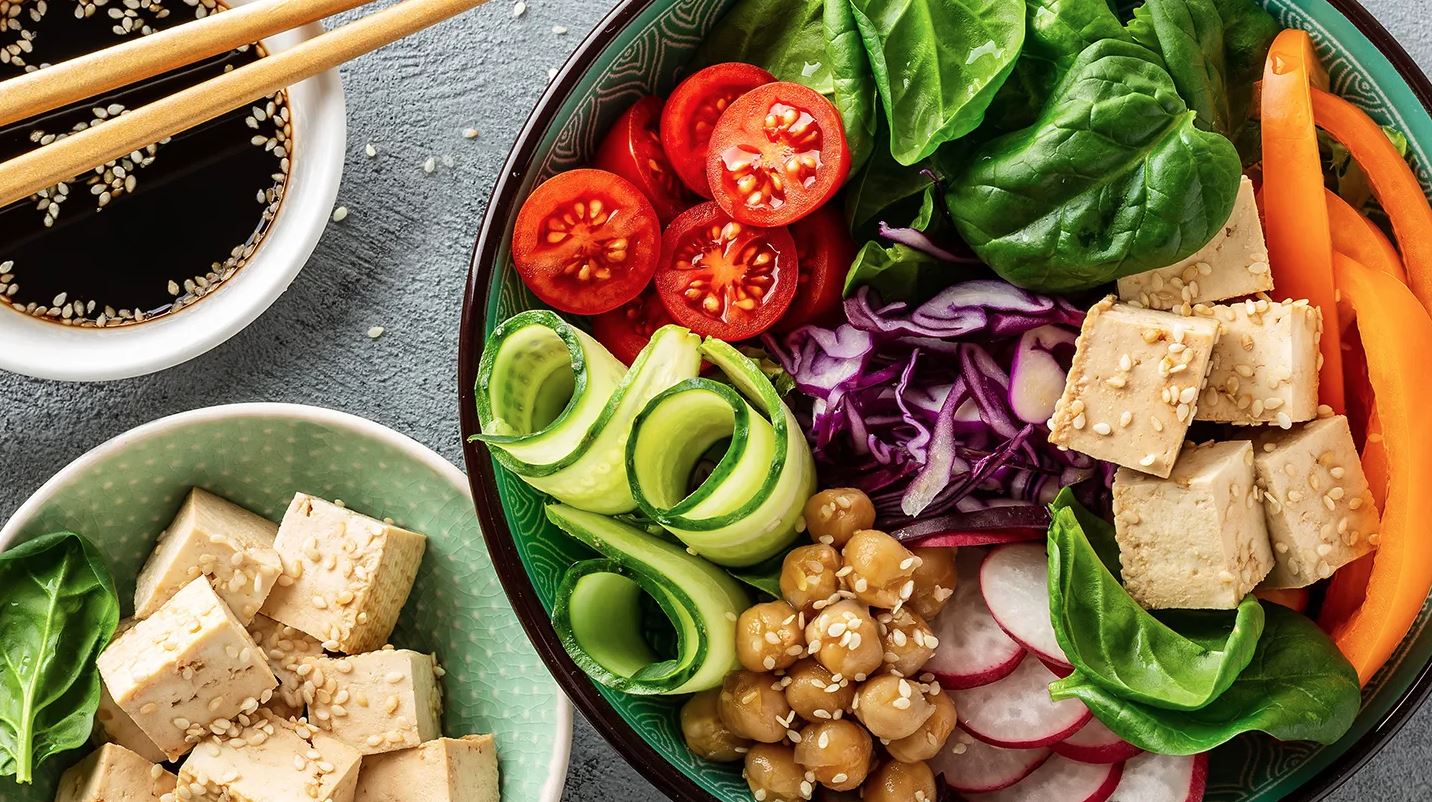
Presentation in plant-based cuisine is as vital as taste. A well-plated dish must engage the eye before it delights the palate. The vibrant hues of nature offer an endless spectrum for creative expression. From the emerald sheen of spinach oil to the ruby glow of pomegranate reduction, color becomes a storytelling tool. Each plate becomes a landscape, arranged with the harmony of a painting and the precision of sculpture.
Texture serves as the rhythm in this visual symphony. Smooth purees meet crisp leaves, tender roots contrast with crunchy seeds, and delicate foams rest atop robust grains. Chefs often layer temperatures as well, combining chilled gels with warm reductions or frozen elements with roasted components. These juxtapositions create sensory drama, allowing diners to explore the dynamic interplay between soft and sharp, cool and warm, silky and crisp. The balance of texture is not accidental but intentional, revealing the technical finesse and aesthetic sensitivity that define this culinary genre.
The Philosophy of Sustainable Creativity
Plant-based fine dining is more than a style of cooking. It is a philosophy that redefines the relationship between the kitchen and the earth. The movement thrives on sustainability, sourcing ingredients locally and seasonally to minimize environmental impact. Waste reduction becomes an act of creativity, as every peel, stem, and seed finds new purpose. Carrot tops become pesto, watermelon rind transforms into pickled garnish, and leftover grains are reborn as crackers or fermented bases. The kitchen operates as a closed ecosystem, where every element contributes to the greater whole.
This philosophy extends to design and service. Many restaurants embrace natural materials such as stone, wood, and ceramic for plating, creating harmony between food and environment. Menus shift with the seasons, reminding guests of nature’s cycles and the fleeting beauty of impermanence. Sustainability in fine dining thus becomes an aesthetic principle, not merely an ethical one. It invites diners to reconnect with the source of their food and to see elegance in ecological harmony. Through this, the act of eating transcends indulgence and becomes a quiet gesture of gratitude to the planet.
Global Inspirations and Cultural Exchange
The plant-based fine dining movement draws inspiration from diverse culinary traditions around the world. In Asia, the philosophy of temple cuisine, rooted in Buddhist vegetarian practices, emphasizes purity and mindfulness. Japanese shojin ryori and Korean temple meals offer models of balance and respect for nature’s gifts. In the Mediterranean, the reliance on olive oil, grains, and vegetables provides a foundation for both nutrition and artistry. The flavors of India, rich in spice and layered complexity, demonstrate how plants alone can evoke immense satisfaction. These traditions offer not just ingredients but wisdom, teaching that the essence of cuisine lies in connection, not excess.
Contemporary chefs reinterpret these global influences through modern techniques. A dish might combine the smoky eggplant of Middle Eastern origins with the structured plating of French gastronomy. Coconut milk may replace dairy in a velvety bisque, while miso adds fermented depth to a European-style sauce. Such cross-cultural fusion creates an entirely new culinary language, one that celebrates diversity while maintaining integrity. Plant-based fine dining thrives on this global exchange, uniting ancient traditions with modern creativity in a single, refined experience.
The Sensory Experience Beyond the Plate
To dine in a plant-based fine dining setting is to engage in a full sensory performance. Every element, from lighting to aroma, contributes to the experience. The scent of herbs released by the server, the gentle sound of a sauce being poured tableside, and the tactile elegance of handcrafted cutlery all create anticipation. The atmosphere is designed to heighten awareness, encouraging guests to slow down and savor. The experience transcends consumption, transforming dining into meditation.
Even the service style mirrors this philosophy of mindfulness. Courses are often introduced with stories of the ingredients and their origins, connecting the diner directly to the farmer or forager. Some chefs present dishes interactively, inviting guests to mix or assemble components at the table. This engagement transforms the meal into collaboration, where diners become participants in the creation of flavor. The focus shifts from opulence to intimacy, from excess to experience. Every bite becomes a dialogue between chef, nature, and guest, reminding all that true luxury resides in attention and awareness.
The Future of Fine Dining
The future of fine dining may very well be written in the language of plants. As climate awareness grows and culinary innovation expands, the plant-based approach will continue to influence menus across the world. Already, Michelin-starred restaurants are dedicating entire tasting experiences to plant-forward cuisine, not as novelty but as philosophy. Technology, too, is playing a role, with research into cellular agriculture, plant protein development, and sustainable farming expanding the possibilities of the plate. Yet, amid all progress, the essence of plant-based fine dining remains timeless. It is rooted in respect, creativity, and the simple truth that nature provides everything needed for beauty and nourishment.
The artistry of this movement will likely evolve beyond imitation toward identity. The goal is not to recreate meat or dairy but to define new culinary paradigms entirely. The combination of craftsmanship, ecology, and emotion positions plant-based dining as not just a trend but a cultural shift. It invites chefs to innovate responsibly and diners to appreciate deeply. In doing so, it promises a world where fine dining is not measured by extravagance, but by harmony with the earth.
The Poetry of the Green Table
At its heart, plant-based fine dining is a celebration of life in all its forms. It is a poetic expression of humanity’s relationship with nature, told through color, flavor, and form. Each dish becomes a verse written in leaves, roots, and blossoms, a song composed in fragrance and texture. To eat such a meal is to witness the miracle of transformation, where humble ingredients ascend to the realm of art. In a world seeking both pleasure and purpose, this cuisine offers both. It proves that elegance can coexist with ethics, that indulgence can align with integrity, and that the future of gastronomy lies not in what we take from the earth, but in how beautifully we honor what it gives.