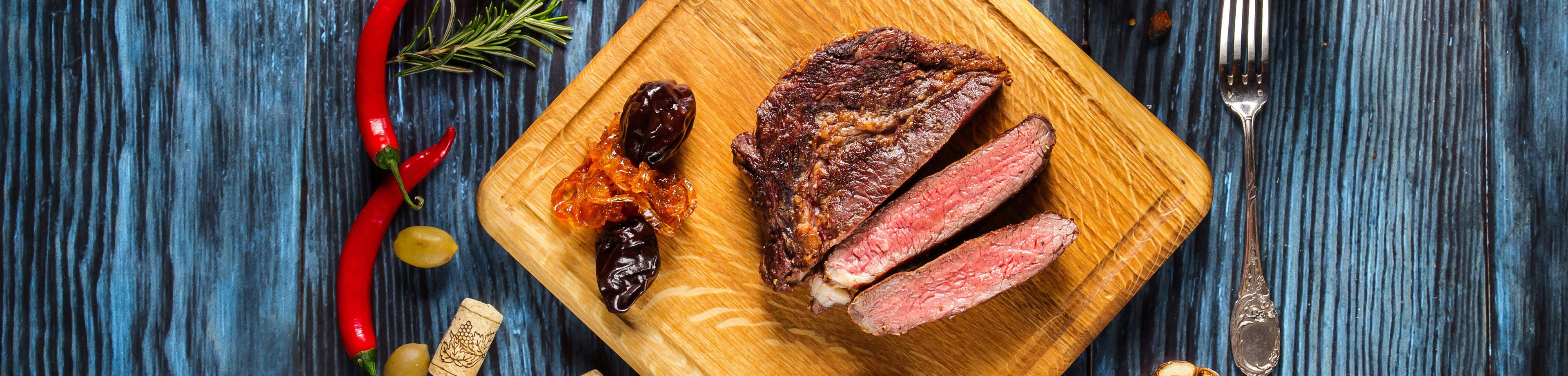

Sea of Heritage The Living Flavors of the Mediterranean Table
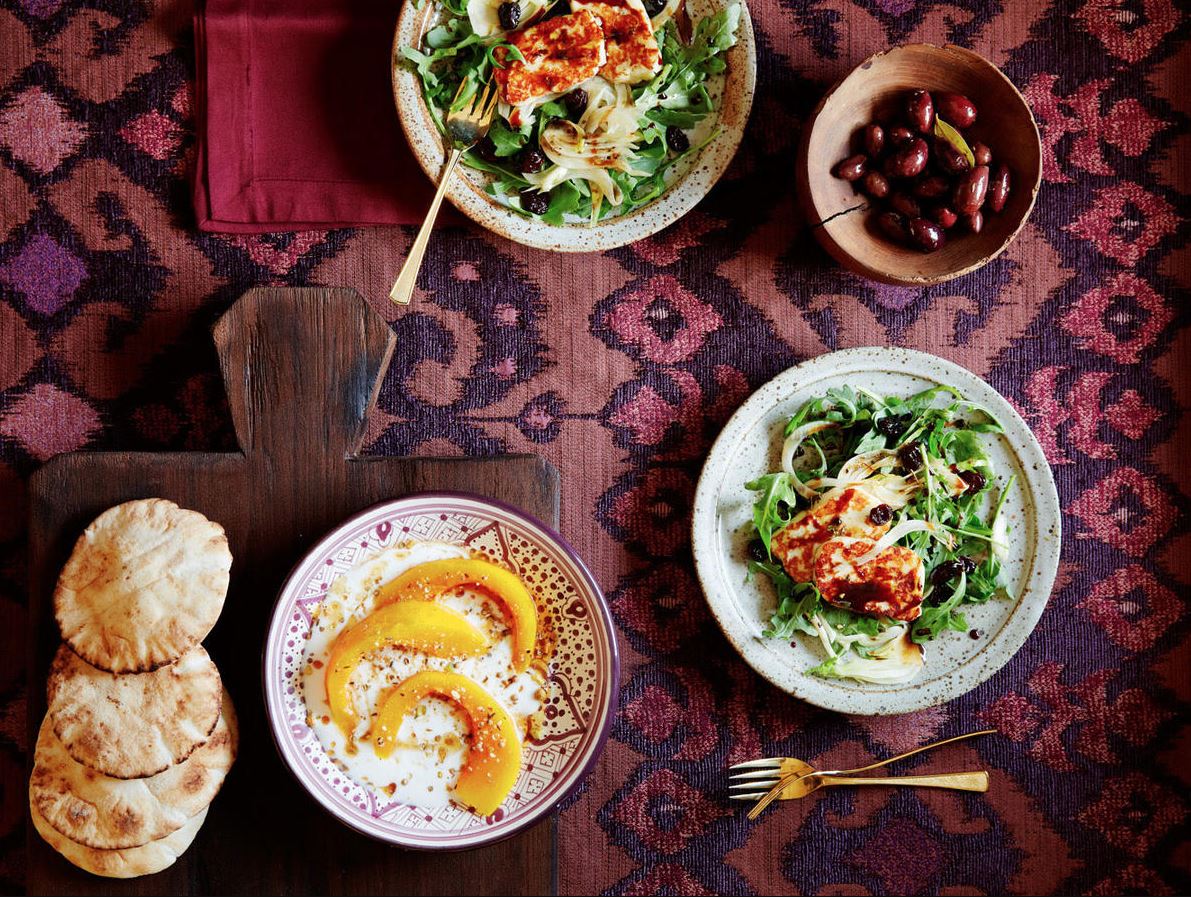
Exploring the Stories, Traditions, and Timeless Beauty of Coastal Cuisine
The Heartbeat of Coastal Living
The Mediterranean basin has long been celebrated as a cradle of civilization, and within its shores lies a culinary tradition as deep as the sea itself. Stretching from the coasts of Spain and Italy to Greece, Turkey, and the Levant, the region has developed a cuisine that reflects its geography, history, and way of life. The sun-soaked hills, fertile valleys, and abundant waters have shaped an approach to food centered on freshness, simplicity, and balance. Every meal tells a story of land and sea, of farmers, fishermen, and families who cook with what nature provides.
More than a diet, the Mediterranean way of eating is a philosophy rooted in respect for ingredients. Olive oil, wheat, and wine have long been the holy trinity of this region, supported by vegetables, legumes, herbs, and seafood. The flavors are bold yet harmonious, shaped by centuries of trade and cultural exchange. The Mediterranean table is not only a reflection of nourishment, but of community, where meals are shared, and conversation flows as freely as the local wine.
Olive Oil The Liquid Soul of the South
To understand Mediterranean cuisine, one must begin with olive oil. It is more than an ingredient, it is a cultural symbol that has linked generations. From the terraced groves of Crete to the hills of Andalusia, the olive tree thrives where sunlight meets salty air. Its golden oil is pressed and poured into nearly every dish, from simple salads to elaborate stews. It enhances flavor while offering health benefits that have long been celebrated, turning the Mediterranean diet into one of the most admired in the world.
Olive oil’s versatility defines regional cooking. In Greece, it enriches lentil soups and roasted vegetables. In Italy, it becomes the finishing touch on pasta or bruschetta. In the Levant, it is drizzled over hummus or mixed with herbs for dipping bread. Each variety carries its own character, from the peppery oils of Tuscany to the buttery tones of southern Spain. This diversity reflects both the terroir and the traditions of those who harvest and press it. Olive oil is not merely a fat, it is the liquid expression of the Mediterranean spirit.
The Bread and the Hearth
Bread occupies a sacred place in Mediterranean households, embodying sustenance and hospitality. Across the region, bakers have perfected countless forms of dough, each shaped by local customs. In Italy, crusty loaves like ciabatta and focaccia are used to soak up rich sauces and olive oils. In Greece, pita is baked thin and soft, ready to be filled with grilled meats or creamy spreads. North African kitchens produce khobz, a round, hearty bread that accompanies spicy tagines and lentil stews. Each culture kneads its story into the dough, baking history into every bite.
The art of breadmaking remains a communal act, often performed in shared ovens or village bakeries. It connects families to ancient rituals, where the act of breaking bread signifies unity and peace. Even in modern times, bread remains the foundation of the Mediterranean table. Its aroma fills homes in the early morning, and its texture becomes a familiar comfort during every meal. Through bread, generations communicate without words, continuing an unbroken chain that stretches back to the first farmers of the region.
The Harvest of the Sea
The Mediterranean is more than a backdrop, it is a provider. The sea offers an abundance of fish and shellfish that define the coastal diet. Anchovies, sardines, octopus, and squid are staples, prepared with methods that reflect local character. Spanish cooks grill sardines over open flames, brushing them with olive oil and lemon. Greek fishermen stew octopus with wine and tomato, creating dishes that capture both the salt of the ocean and the warmth of the sun. In Italy, seafood risottos and pasta alle vongole celebrate the delicate balance between land and sea.
In the eastern Mediterranean, fish is often marinated with herbs and served alongside chickpeas or lentils. The emphasis remains on freshness and purity of flavor, avoiding heavy sauces that mask the natural taste of the catch. Coastal markets continue to thrive as hubs of community life, where vendors proudly display the day’s harvest. Each fish tells the story of its journey through clear waters, and each recipe reveals the patience and care of the people who live by the tide. The Mediterranean sea is both pantry and poetry, an eternal source of inspiration.
From the Garden to the Plate
Vegetables form the foundation of Mediterranean cooking, transforming humble ingredients into masterpieces of color and nutrition. The climate favors an array of produce, from plump tomatoes and eggplants to peppers, zucchini, and leafy greens. These vegetables are often roasted, stewed, or grilled, capturing the essence of the sun in every bite. A plate of ratatouille from Provence, a bowl of Greek briam, or an Italian caponata each reflects a philosophy of respect for nature’s rhythm. Nothing is wasted, and every harvest finds its way into the kitchen.
Herbs and spices play supporting roles, enhancing natural flavors rather than overpowering them. Basil, oregano, rosemary, and thyme grow wild across the hills, scenting the air and seasoning every dish. Garlic and onion provide depth, while lemon offers brightness. Even simple salads, like the Greek horiatiki or the Lebanese fattoush, reveal the region’s dedication to balance and freshness. The garden is not just a source of food but of identity, a living symbol of the connection between earth and culture that defines the Mediterranean way of life.
The Sweet Side of Tradition
Desserts in Mediterranean cuisine are a reflection of celebration and craftsmanship. Unlike heavy Western pastries, Mediterranean sweets often highlight nuts, honey, and fruit. In Greece and Turkey, baklava layers crisp phyllo with crushed pistachios and sweet syrup, offering a delicate contrast of texture. In Italy, cannoli and tiramisu capture the interplay of cream, coffee, and crunch, while in Spain, churros dipped in chocolate bring comfort and warmth to morning tables. North Africa adds its own influence with date-filled pastries, almond cookies, and fragrant orange-flower syrups that perfume the air.
Each dessert carries symbolic meaning. Honey represents abundance and joy, almonds signify prosperity, and citrus embodies renewal. These sweets are not merely indulgences, they are gestures of hospitality and love. Families often pass down dessert recipes through generations, ensuring that even as times change, the essence of tradition remains. To share dessert in the Mediterranean is to honor heritage, to celebrate both life’s sweetness and its fleeting moments.
The Social Ritual of the Table
To dine in the Mediterranean is to participate in a ritual that transcends food itself. Meals are not hurried, they unfold slowly, allowing time for laughter, discussion, and reflection. The table becomes a theater of connection, where family and friends gather to share stories as much as sustenance. Even in small villages, hospitality is sacred, and guests are treated as extended family. To refuse food is to reject friendship, and to offer it is to extend trust and warmth.
Wine often accompanies these gatherings, not as a symbol of excess, but as a complement to conversation. Each region has its own vintages, from the full-bodied reds of southern Italy to the crisp whites of Greece. These wines, like the food, carry the taste of the land and the labor of those who tend it. Through this shared experience, Mediterranean dining becomes an art of living, an act of gratitude that celebrates both nature and humanity.
The Timeless Spirit of the Mediterranean
Traditional Mediterranean dishes embody a philosophy that values simplicity, health, and joy. They are not confined to recipes, but live through memory, passed down through the rhythm of daily life. Every olive, every loaf, every bowl of stew carries centuries of wisdom, born from the soil and sustained by community. To eat Mediterranean food is to taste history, to feel the sun and sea within every flavor. The region’s cuisine continues to inspire the world not only for its beauty but for its balance, teaching us that the best meals are those that nourish the body, the heart, and the bond between people.