

Seeds of Time Reviving the Ancient Grains That Nourish Modern Tables
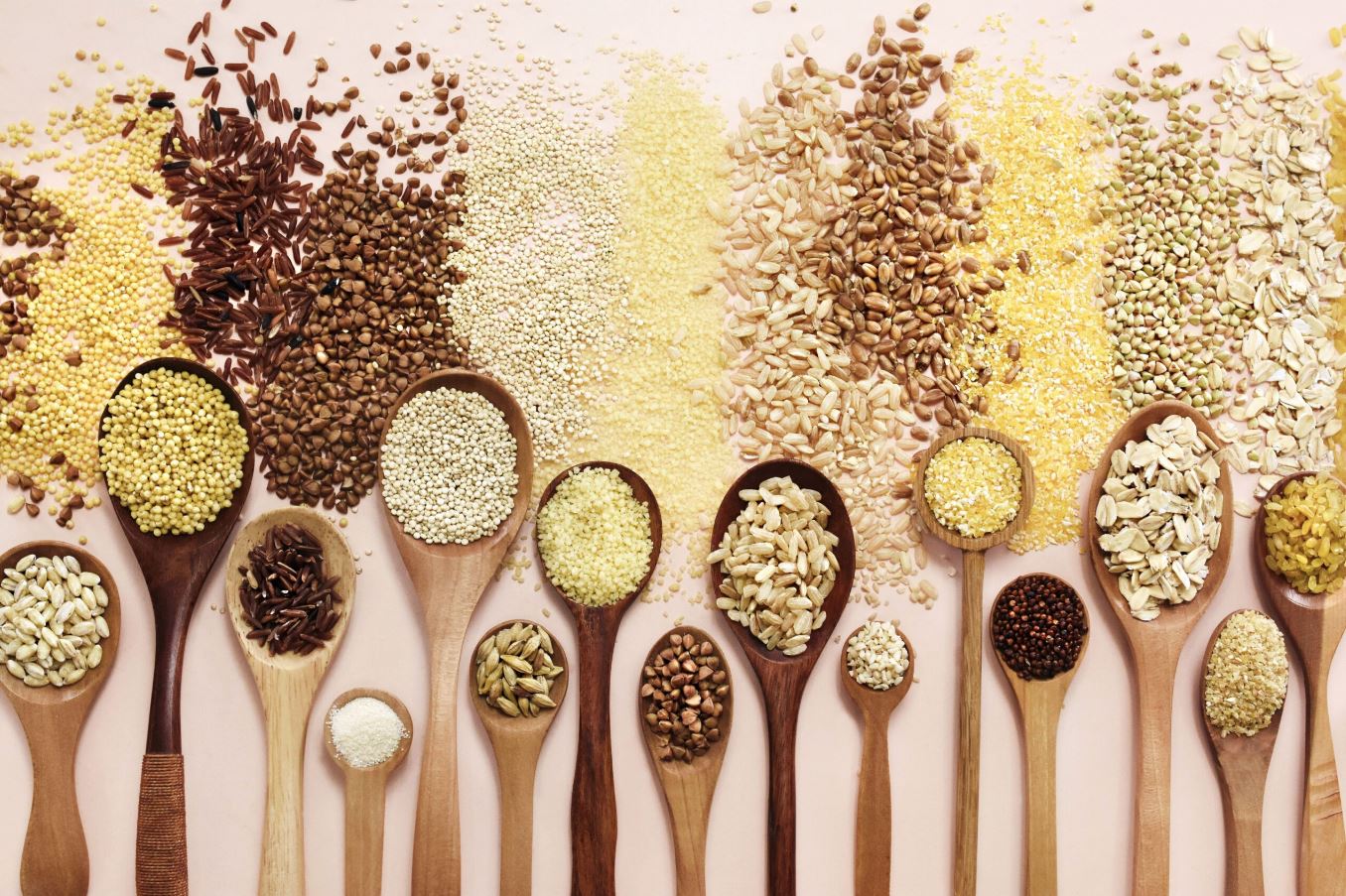
How the Wisdom of Old World Harvests Is Shaping the Future of Contemporary Cuisine
The Return of the Ancestral Harvest
In a world where convenience often overshadows heritage, a quiet revolution is taking place in kitchens and fields alike. Ancient grains, once the foundation of early civilizations, are reclaiming their place in modern cooking. Far older than the wheat and corn that dominate industrial agriculture, these grains were the lifeblood of cultures that valued balance, resilience, and nourishment. Their revival represents more than a trend. It is a reconnection with the earth’s oldest rhythms, where food was grown not for profit but for survival and flavor.
Ancient grains include varieties such as emmer, einkorn, spelt, teff, millet, sorghum, and amaranth, all of which were cultivated long before modern hybrids. Each carries its own story of geography and adaptation. From the highlands of Ethiopia to the fertile valleys of Mesopotamia, these grains sustained empires and shaped diets for millennia. Yet, as industrial agriculture favored uniformity, they nearly vanished from mainstream production. Their return signals a broader awakening in culinary consciousness, where chefs and home cooks alike are rediscovering diversity, nutrition, and texture that modern crops can no longer provide.
The Legacy of Forgotten Fields
The cultivation of ancient grains reaches back more than ten thousand years, intertwining with humanity’s earliest experiments in farming. Archaeological evidence reveals that early civilizations such as the Sumerians, Egyptians, and Mayans built their economies and rituals around these grains. Emmer and einkorn were the foundation of early bread in the Fertile Crescent. Quinoa was sacred to the Inca, revered as the “mother grain,” and teff was central to Ethiopian society. These crops offered sustenance that was not only nutritional but deeply spiritual. They symbolized continuity between humanity and the land.
As agricultural technology evolved, monocultures replaced diversity. The global demand for uniformity in yield, texture, and processing pushed these ancient grains to the periphery. Wheat, corn, and rice became global staples, while their ancient relatives were labeled primitive or inefficient. What was lost was not only variety but resilience. Ancient grains are naturally resistant to drought, pests, and poor soil, characteristics that modern agriculture increasingly struggles to replicate. Their disappearance narrowed our connection to the natural world. Their reemergence today restores both balance and biodiversity to our diets and ecosystems.
Nutrition Written in History
Modern science is now uncovering what ancient farmers understood instinctively. Ancient grains are nutritional powerhouses, dense with vitamins, minerals, and fiber. Unlike refined wheat, which loses most of its nutrients through processing, grains like spelt and farro retain their integrity. They provide a broader spectrum of amino acids, antioxidants, and essential fatty acids that support human health. Their complex carbohydrates release energy slowly, creating satiety and stabilizing blood sugar levels, which makes them ideal for contemporary wellness-focused diets.
Each grain offers unique benefits. Amaranth contains lysine, a rare amino acid that enhances protein quality. Millet and teff are rich in iron and calcium, while quinoa provides complete protein, making it a plant-based favorite for those seeking balance without animal products. These grains also foster digestive health, thanks to their high fiber content and natural enzymes. By reintroducing ancient grains to our plates, we rediscover not just nourishment but the harmony that traditional diets maintained long before nutrition became a science.
Ancient Grains in the Modern Kitchen
In professional kitchens, ancient grains have become a source of both innovation and authenticity. Their distinct textures and flavors invite chefs to rethink traditional recipes, merging history with creativity. Farro lends a nutty warmth to risottos and soups, while freekeh, a roasted green wheat, adds smoky depth to salads and stews. Amaranth can be puffed or simmered, creating porridge-like dishes that recall preindustrial breakfasts. Teff, the backbone of Ethiopian injera, brings earthy character to breads and crepes worldwide.
Modern cooking embraces these grains not as novelties but as essentials. They adapt beautifully to both rustic and refined cuisines. A spelt pasta captures sauce differently than durum wheat, giving Italian classics a new life. Quinoa forms the base of delicate salads or the crust of artisan breads. Even in pastry, ancient grains bring complexity. Pastry chefs now use einkorn flour to craft cookies, tarts, and croissants with greater aroma and depth. What once sustained ancient families now delights modern palates, proving that flavor evolves but heritage endures.
The Art of Milling and Preparation
The way ancient grains are processed greatly influences their taste and nutritional value. Unlike modern grains that undergo heavy refinement, ancient varieties thrive through minimal intervention. Stone milling, a method used for thousands of years, preserves the bran, germ, and endosperm, maintaining the grain’s full nutritional profile. This traditional approach also enhances aroma and texture, creating flours that are alive with character. The return of stone mills to small bakeries and artisanal kitchens marks a revival of integrity in food production.
Preparation methods have also evolved with respect to heritage. Soaking, sprouting, and fermenting grains are time-honored techniques that unlock nutrients and improve digestibility. Sourdough made with spelt or khorasan flour, for example, has lower gluten density and greater flavor complexity. Steaming, toasting, and slow simmering reveal the hidden potential of these grains. They require patience and attention, but their rewards are profound. Each method reconnects the cook to the rhythms of ancient kitchens, where time and care defined craftsmanship.
The Flavor Spectrum of Antiquity
Each ancient grain carries a unique identity shaped by the soil, water, and climate that birthed it. Farro’s flavor is hearty and slightly sweet, with hints of hazelnut. Einkorn, the earliest cultivated wheat, offers a buttery richness and golden hue that enhances rustic loaves. Teff’s taste is earthy and faintly molasses-like, perfect for both savory and sweet applications. Sorghum brings gentle sweetness with a subtle crunch when puffed or roasted, while millet contributes mild nuttiness that complements vegetables and spices.
These grains also carry cultural nuances. Freekeh’s roasted aroma tells stories of Middle Eastern hearths, while amaranth’s soft pop recalls the foods of the Aztec empire. Chefs today use these ancient flavors to bridge continents, crafting dishes that fuse tradition and modernity. A salad of freekeh with roasted vegetables may share a plate with a teff pancake topped with microgreens. Each bite becomes an act of remembrance, linking modern culinary artistry with the roots of civilization itself.
Ancient Grains and Sustainability
Beyond their culinary allure, ancient grains are critical to the sustainability of the planet’s food systems. Their resilience allows them to thrive in conditions that defeat conventional crops. Many are drought-tolerant, requiring less water and fertilizer. They grow well in marginal soils and contribute to soil regeneration through deep root systems that prevent erosion. By diversifying crops, farmers reduce dependency on monocultures, which are more vulnerable to pests and climate shifts. Ancient grains therefore embody ecological wisdom refined through centuries of coexistence with nature.
Chefs and producers who champion these grains are also cultivating a model of ethical gastronomy. Local sourcing, fair trade practices, and small-scale farming reconnect communities to their food origins. By incorporating ancient grains into modern menus, restaurants contribute to biodiversity preservation and promote cultural heritage. Each dish prepared with emmer or millet becomes a statement of sustainability, blending luxury with responsibility. In this way, culinary art becomes a form of activism, where flavor and ethics coexist in harmony.
Rediscovery Through Global Cuisine
The rebirth of ancient grains has inspired chefs around the world to reinterpret regional cuisines. In Italy, farro risotto pairs with seasonal vegetables and olive oil, replacing the traditional Arborio rice. In India, millet returns as a star ingredient in savory pancakes and porridges that once filled the plates of ancestors. In the Americas, quinoa and amaranth form the foundation of dishes that celebrate indigenous wisdom. The Japanese culinary scene has even adopted ancient grains like sorghum and teff in noodle making, bringing new texture to age-old dishes.
This fusion of old and new transcends novelty. It represents a philosophy of respect for the past while embracing innovation. Culinary schools now teach courses on ancient grains, and bakers experiment with hybrid flours that merge ancient and modern varieties. Television chefs and influencers promote their use, not as trends but as essential ingredients in a healthier and more conscious way of eating. Ancient grains are no longer relics of forgotten civilizations. They are active participants in shaping the story of global cuisine.
The Future Rooted in the Past
In reviving ancient grains, humanity is not merely reclaiming lost ingredients but restoring a relationship with the natural world. Each grain carries a legacy of patience, resilience, and balance that modern agriculture has nearly forgotten. They remind us that progress need not mean abandonment of heritage. The revival of emmer, spelt, teff, and their companions speaks of a future where flavor, nutrition, and sustainability coexist gracefully. As they find their way into modern kitchens and bakeries, they bring with them the wisdom of millennia. The grains that once fed empires now nourish a global movement, reminding us that the seeds of our future may already be waiting in the soil of our past.