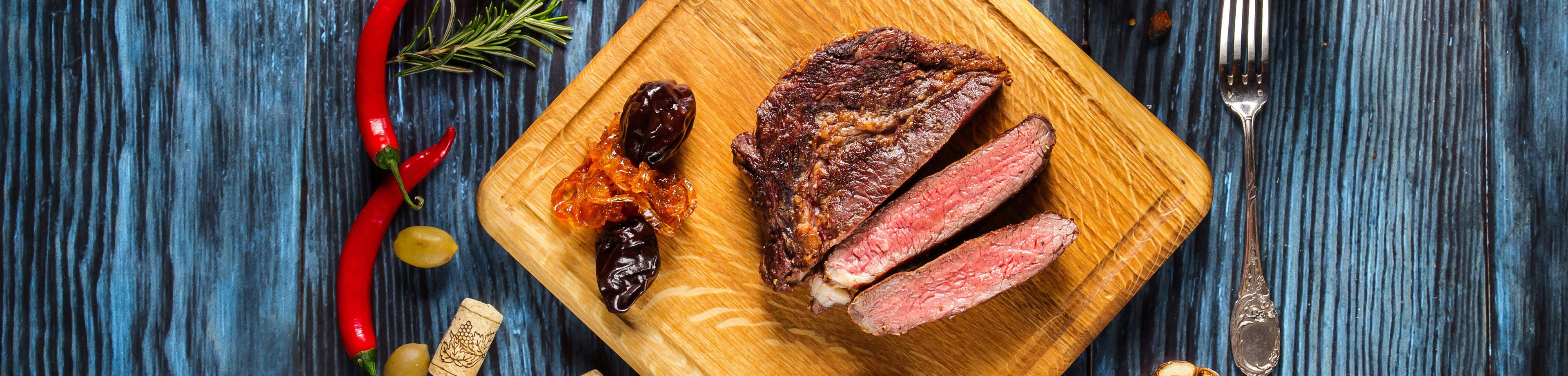

The Fifth Taste The Subtle Craft of Creating Umami Harmony
Everyday Ingredients Can Build Depth, Warmth, and Balance in the Modern Kitchen
Understanding Umami Beyond the Plate
Umami is often called the fifth taste, yet it remains the most mysterious. It is not sharp like sourness, nor sweet like sugar. Instead, it lingers, wrapping the palate in warmth and depth. It gives dishes a sense of completeness, a fullness that satisfies in ways difficult to describe. Scientifically, umami arises from glutamates and nucleotides, compounds that occur naturally in foods like mushrooms, tomatoes, soy sauce, aged cheese, and meats. Culturally, however, umami represents more than chemistry. It embodies comfort, savoriness, and the emotional satisfaction that comes from a meal well balanced and thoughtfully prepared.
To understand umami is to understand the language of flavor. In many cuisines, it acts as the bridge between elements. Where sweetness can soften acidity and salt can heighten contrast, umami unites all sensations into coherence. It deepens broths, enriches sauces, and transforms simple dishes into something memorable. While often associated with Japanese cooking, umami is a global concept. Parmesan cheese in Italian pasta, anchovies in Mediterranean sauces, or slow-cooked onions in French soups all express umami. The art lies not only in identifying it but in balancing it so it enhances rather than overwhelms.
The Science of Satisfaction
The pleasure of umami is both physical and psychological. Our tongues contain specific receptors that detect glutamate, and when they are stimulated, the brain interprets the signal as savoriness. This response likely evolved to recognize protein-rich foods essential for survival. Foods high in umami often indicate nourishment and depth of nutrition, which may explain why meals rich in umami feel comforting and satisfying. They engage more than taste, they trigger memory, emotion, and even a sense of fulfillment that goes beyond hunger.
Balancing umami requires more than adding a single source of flavor. Like a symphony, umami resonates best when supported by contrasting notes. Acidity from vinegar or citrus brightens it, while sweetness rounds it out. Salt amplifies umami but must be used with care, as too much can mute its subtleties. Texture also plays a role. A silky broth or a roasted crust provides tactile satisfaction that complements the savory depth. When all these elements coexist in proportion, umami transforms from a taste into an experience, one that lingers not only on the palate but in the mind.
Global Traditions That Celebrate Umami
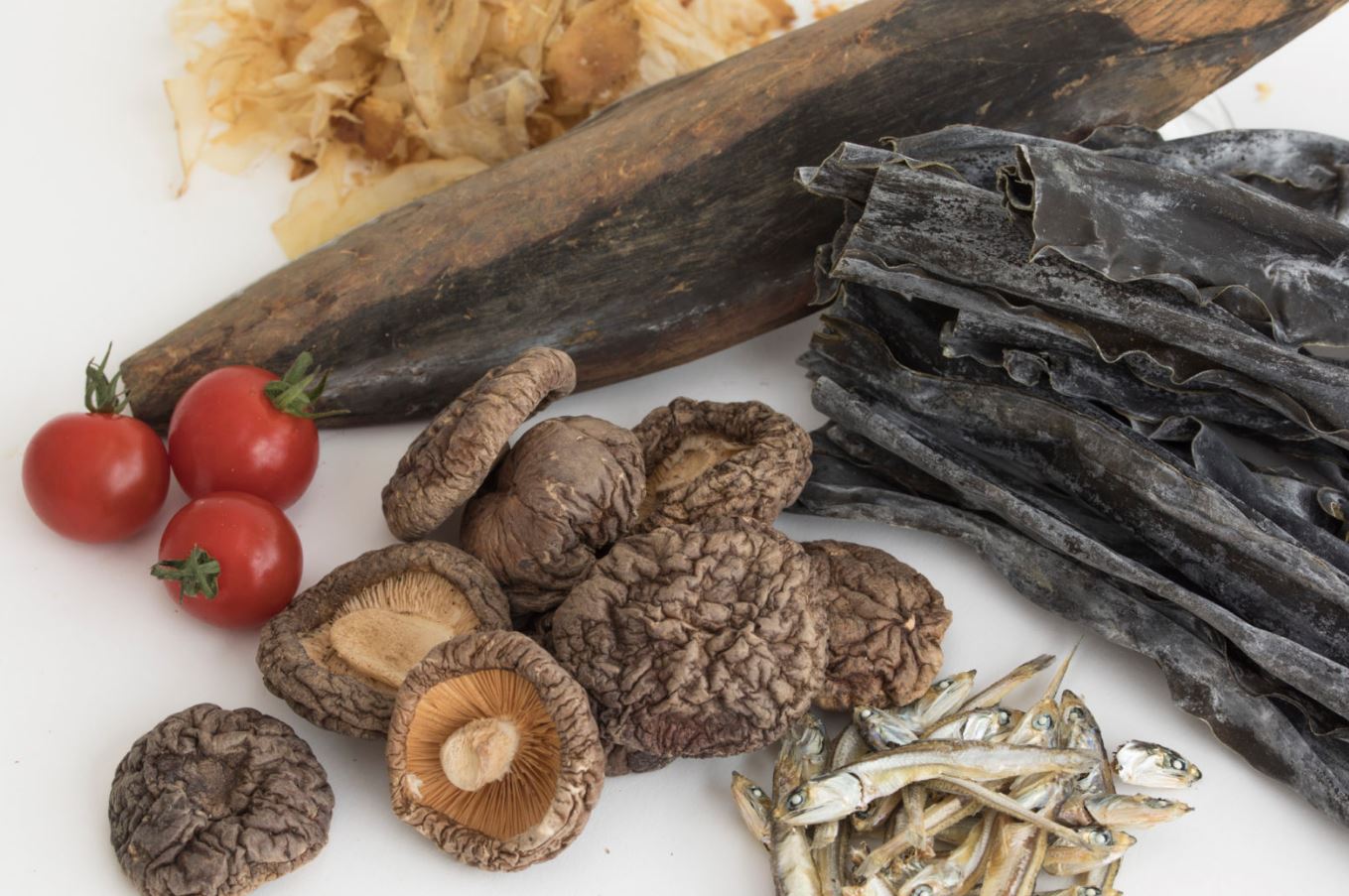
Long before scientists identified glutamates, cooks across cultures were already mastering umami intuitively. In Japan, kombu seaweed, bonito flakes, and fermented soy created the foundation of dashi broth, a base that defines much of the nation’s cuisine. In Italy, cured meats, aged cheeses, and slow-simmered tomato sauces achieve a similar depth. The French perfected umami through long reductions, stocks, and caramelized vegetables. Each tradition, though distinct, shares a common pursuit: to evoke pleasure through harmony and richness rather than excess.
In Latin American kitchens, umami takes form in roasted peppers, black beans, and long-stewed meats. In Korea, it thrives in kimchi and gochujang, where fermentation enhances complexity. Even the humble hamburger, with its browned crust and melted cheese, is a modern expression of umami balance. These examples reveal that umami is not a foreign concept but a universal instinct. It speaks to something primal and human, the desire to find depth in simplicity, to create connection through food that feels both familiar and profound.
Everyday Ingredients That Build Umami Depth
Creating umami in daily cooking does not require rare or exotic ingredients. Many common foods already hold this elusive taste. Tomatoes, for instance, are one of the most accessible sources of natural glutamate. Their transformation through roasting or simmering concentrates flavor and releases umami-rich compounds. Mushrooms, especially shiitake or porcini, provide an earthy savoriness that enhances soups, stews, and risottos. A spoonful of soy sauce or miso paste can add instant complexity to stir-fries or marinades.
Fermented and aged ingredients often carry the deepest umami. Parmesan cheese, fish sauce, anchovy paste, and even Worcestershire sauce introduce layered flavors that enrich a dish without overpowering it. A small amount goes a long way, as umami builds cumulatively. Cooking techniques also matter. Browning meat through the Maillard reaction, caramelizing onions, or slow-roasting vegetables all generate umami compounds naturally. Even plant-based meals can achieve balance when ingredients like seaweed, lentils, or fermented tofu are used thoughtfully. The key lies in combining sources of umami with complementary contrasts so that every bite feels complete rather than heavy.
The Role of Balance and Contrast
Too much umami can overwhelm, just as too much salt can ruin a dish. The secret to harmony lies in balance. Each element on the plate must serve a purpose, whether to deepen or brighten the flavor. Acidic ingredients such as vinegar, lemon juice, or pickles cut through the richness of umami, restoring freshness. Bitterness from greens or herbs adds complexity and prevents monotony. Even a touch of sweetness, from honey or caramelized vegetables, helps round out the edges. The interplay between these tastes keeps the palate engaged.
Texture and temperature also influence perception. A warm, velvety soup feels more soothing than a cold, dense one, even if both contain similar umami levels. Crisp elements, like toasted breadcrumbs or raw vegetables, can contrast soft umami-rich components, creating balance through sensation. Chefs often speak of layering flavors, but true mastery involves layering experiences. When acidity, sweetness, saltiness, and umami exist in dialogue, the result is dynamic and memorable rather than static. The dish feels alive, evolving with each bite.
Fermentation The Secret Architect of Umami
Fermentation has long been humanity’s most powerful tool for developing umami. By allowing microbes to transform sugars and proteins into new compounds, fermentation unlocks depths of flavor impossible to achieve through simple cooking. In soy sauce, the fermentation of soybeans and wheat produces amino acids that amplify savoriness. In miso, the process softens harsh edges, turning raw beans into something mellow and complex. Even bread and cheese owe much of their appeal to fermentation, where yeast and bacteria create not only texture but emotional warmth.
At home, small acts of fermentation can elevate everyday meals. Adding a dollop of kimchi to fried rice or a spoonful of sauerkraut to a sandwich introduces brightness and depth simultaneously. Fermented condiments like gochujang or fish sauce can replace salt while offering a more rounded taste. These ingredients also tell stories of patience and transformation. They remind us that flavor, like life, often matures over time, requiring care and curiosity. In the balance of fermentation, one learns that umami is not a quick addition but a slow evolution of taste.
Cooking Methods That Unlock Hidden Layers
The method of cooking can either highlight or obscure umami. Heat is both a friend and a sculptor, shaping flavor through transformation. Roasting vegetables at high temperatures caramelizes natural sugars while intensifying glutamates. Slow braising meats breaks down connective tissue, releasing gelatin that enriches broths and sauces. Even gentle simmering can coax umami from ingredients like seaweed, dried mushrooms, or bones, creating bases that serve as canvases for further flavor building.
Dry techniques such as grilling or searing create a savory crust through chemical reactions that produce hundreds of aromatic compounds. Wet methods like steaming or poaching preserve subtler notes, ideal for ingredients like fish or tofu. The choice of technique determines the balance of depth and delicacy. Understanding this interplay allows cooks to shape umami consciously rather than by chance. A single ingredient can taste entirely different depending on how it is treated, proving that technique is as vital as ingredient selection in mastering umami balance.
Modern Interpretations of Umami Balance
Contemporary chefs continue to explore umami as both science and art. The rise of plant-based cuisine has expanded its meaning, proving that meat is not the sole carrier of depth. Chefs now create umami from mushrooms, fermented beans, and roasted roots, combining innovation with sustainability. Restaurants use techniques like aging vegetables or fermenting fruit to extract flavor complexity. Even desserts have entered the umami realm, with combinations like miso caramel or soy-infused chocolate demonstrating that savoriness can enhance sweetness rather than contradict it.
At home, this modern approach translates into mindful experimentation. Replacing heavy sauces with umami-rich alternatives, such as tomato paste or tamari, can reduce salt without sacrificing satisfaction. Pairing roasted vegetables with miso dressing or topping grains with toasted seeds brings harmony to everyday meals. The philosophy remains consistent: build flavor from the inside out, layering slowly until balance is achieved. In a time where speed often dominates the kitchen, rediscovering umami reminds us to pause, to taste, and to engage fully with the act of cooking.
Emotional Resonance The Psychology of Umami
Beyond technique and chemistry, umami resonates on an emotional level. It evokes warmth, familiarity, and comfort. The savory aroma of broth simmering on a stove can recall childhood meals or family gatherings. This connection between taste and memory explains why umami feels satisfying in ways other flavors do not. It nourishes more than the body, it nourishes belonging. In many cultures, communal dishes like soups, stews, and noodles serve as expressions of care. They feed not only hunger but relationship.
Understanding this emotional aspect allows cooks to design meals with intention. Adding umami can create depth, but sharing it creates meaning. A homemade miso soup, a pasta slow-cooked in tomato sauce, or a pot of lentils rich with caramelized onions all embody the same truth: food gains power through connection. Balancing umami is therefore an act of empathy, a quiet recognition that taste is a shared language of comfort and humanity.
The Harmony of Everyday Savor
Balancing umami is both science and intuition. It requires awareness of ingredients, respect for process, and sensitivity to the senses. Yet it is not a skill reserved for professional chefs. Anyone can learn to create balance by tasting thoughtfully and cooking with curiosity. The key is to approach food as dialogue, where each component speaks in relation to the others. When umami finds its rightful place, it does not dominate but unites. It transforms simple meals into moments of depth, inviting both cook and diner to experience the quiet satisfaction of harmony. In every simmer, sear, or spoonful lies the possibility of balance, the kind that satisfies not just appetite but the soul itself.