Feasts of Meaning The Hidden Language of Food Across Civilizations
The Symbolic Power of Ingredients, Rituals, and Traditions in Global Culinary Heritage
The Universal Language of the Table
Food is more than sustenance. Across the world, it serves as a medium of communication, a form of identity, and a vessel of symbolism. Every culture has a culinary vocabulary that speaks to its values, beliefs, and worldview. A meal can express gratitude, signal status, commemorate ancestors, or invite blessings. The act of eating is at once personal and communal, ordinary and sacred. In this way, culinary symbolism becomes a bridge between the material and the spiritual, revealing how humanity finds meaning through taste, texture, and ritual.
Throughout history, the symbolic power of food has transcended geography. From rice fields in Asia to bread ovens in Europe, certain ingredients have come to represent prosperity, purity, or renewal. Meals mark the passage of time, celebrate harvests, and accompany rites of birth, marriage, and death. Even the manner of eating, the tools used, and the order of courses convey unspoken messages. In understanding these traditions, one discovers that food is not only an art of preparation but a language of the soul.
Eastern Perspectives Nourishment as Philosophy
In many Asian cultures, food is inseparable from philosophy. It embodies harmony, balance, and the pursuit of spiritual well-being. In China, the concept of yin and yang governs both cooking and medicine. Foods are categorized as cooling or warming, and meals aim to balance these opposing energies. Ginger, garlic, and chili are warming, symbolizing vitality, while tofu, cucumber, and melon cool the body, representing calm. The dinner table becomes a reflection of the cosmos, where equilibrium sustains life and health.
In Japan, food transcends sustenance to become a form of mindfulness. The tea ceremony, or chanoyu, is not simply about drinking tea but about achieving serenity through ritual. Each gesture, from the whisking of matcha to the placement of a bowl, signifies respect and attention. The symbolic simplicity of Japanese cuisine is also seen in sushi, where minimalism expresses purity, and each ingredient honors the natural world. Similarly, in India, food carries moral and cosmic weight. The act of eating is intertwined with dharma and karma, and offerings of food, known as prasad, symbolize devotion to the divine. Spices, too, hold sacred significance, believed to purify and energize the body while pleasing the gods.
Western Traditions Food as Faith and Identity
In Western history, food has long been intertwined with religion, celebration, and power. Bread and wine, central to Christian ritual, symbolize the body and blood of Christ, uniting believers through shared consumption. This act transforms the mundane into the divine, illustrating the sacramental nature of nourishment. Similarly, in Jewish tradition, food embodies remembrance and covenant. During Passover, unleavened bread, or matzah, recalls the Israelites’ flight from Egypt, a symbol of both freedom and faith. Each ingredient on the Seder plate carries layered meanings, reminding participants of suffering, redemption, and hope.
In ancient Greece and Rome, feasting was both political and spiritual. Offerings of grain, wine, and honey honored gods and ancestors, reinforcing the connection between abundance and divine favor. Banquets celebrated victory and reinforced hierarchy, with seating arrangements and courses reflecting social order. Even today, the Western table retains echoes of these rituals. Thanksgiving in the United States, for instance, symbolizes gratitude, unity, and renewal, though it also carries deeper historical tensions. The communal meal remains a stage upon which culture performs its values and contradictions.
The Sacred and the Seasonal
Seasonality lies at the heart of many symbolic culinary traditions. In agrarian societies, food marked the rhythm of the year and honored the cycles of nature. In China, the Lunar New Year brings dishes meant to attract fortune. Dumplings shaped like ancient coins symbolize wealth, while long noodles promise longevity. In Europe, Easter eggs represent rebirth and fertility, echoing older pagan rituals celebrating the return of spring. In Mexico, the Day of the Dead transforms food into a medium of remembrance. Families prepare pan de muerto, sweet bread decorated with bone shapes, to welcome the souls of loved ones back to the world of the living.
Across Africa, harvest festivals celebrate abundance and gratitude. In Ghana, the Homowo festival features a dish of palm nut soup and maize, signifying triumph over famine. In the Middle East, dates break the fast during Ramadan, representing mercy, patience, and spiritual cleansing. The shared meal at sunset, iftar, reinforces community and empathy, reminding diners of both privilege and humility. These traditions reveal how food follows the rhythm of earth and faith, turning each season into an act of renewal.
Symbolism of Color and Form
The symbolism of food extends beyond flavor into color and form. In many Asian cultures, color determines auspiciousness. Red signifies prosperity and joy, explaining why red bean desserts and chili sauces often appear in festive meals. White, associated with purity, also carries meanings of mourning in some regions, reminding diners that context shapes interpretation. Golden and yellow foods, from saffron rice to corn pudding, signify wealth and success. The circular shape of mooncakes or dumplings reflects wholeness and family unity, while triangular or layered foods symbolize ascent and transformation.
In Western traditions, color symbolism also plays a subtle role. Green foods, like herbs and leafy vegetables, are associated with freshness, fertility, and growth, while white foods, such as bread and milk, connote innocence and virtue. Black foods, including truffles and caviar, imply luxury and mystery. In Africa and Latin America, the vibrant use of spices, peppers, and fruits expresses vitality and connection to the earth. Each shade, texture, and shape carries metaphorical weight, reminding us that food appeals not only to the tongue but also to the imagination.
Food and the Cycle of Life
Throughout the world, food marks every stage of human existence, from birth to death. In many cultures, special dishes accompany rites of passage. In Korea, seaweed soup is served to mothers after childbirth, symbolizing health and recovery. In Greece, new mothers receive lentil soup, connecting fertility with nourishment. Weddings everywhere transform meals into symbols of union. In China, serving sweet lotus seeds and red bean soup expresses wishes for fertility and happiness. In Western cultures, wedding cakes, often white and tiered, symbolize purity and shared prosperity.
Funerary food, though solemn, also carries symbolic comfort. In Japan, mourners eat rice balls and sweets shaped like flowers, representing transience and renewal. In Slavic countries, kutya, a dish of wheat, honey, and poppy seeds, honors the departed and celebrates eternal life. Even in mourning, food bridges the living and the dead, offering solace through shared ritual. These customs show that eating is never merely physical, it is emotional, social, and spiritual, binding communities across generations.
Power and Prestige at the Table
Food has always been a measure of wealth, status, and power. In royal courts and empires, elaborate feasts displayed authority and abundance. The ancient Persians served tables of rare fruits and spiced meats to showcase their dominion over distant lands. In medieval Europe, banquets featured exotic ingredients like sugar and cinnamon, accessible only to the elite. Even the utensils used signified class. Silver goblets and porcelain plates distinguished nobility from commoners. Such opulence transformed food into spectacle, where taste became secondary to symbolism.
In contrast, modest meals often represented humility and virtue. In monastic traditions, simple bread and soup embodied piety and restraint. The symbolism of simplicity continues today, where minimalism in cuisine is seen as refinement rather than deprivation. The modern farm-to-table movement, emphasizing authenticity and locality, reflects a new form of status, one based on ethical consciousness rather than excess. Thus, the symbolism of food evolves, shifting from hierarchy to harmony with the earth and community.
Communion and Connection
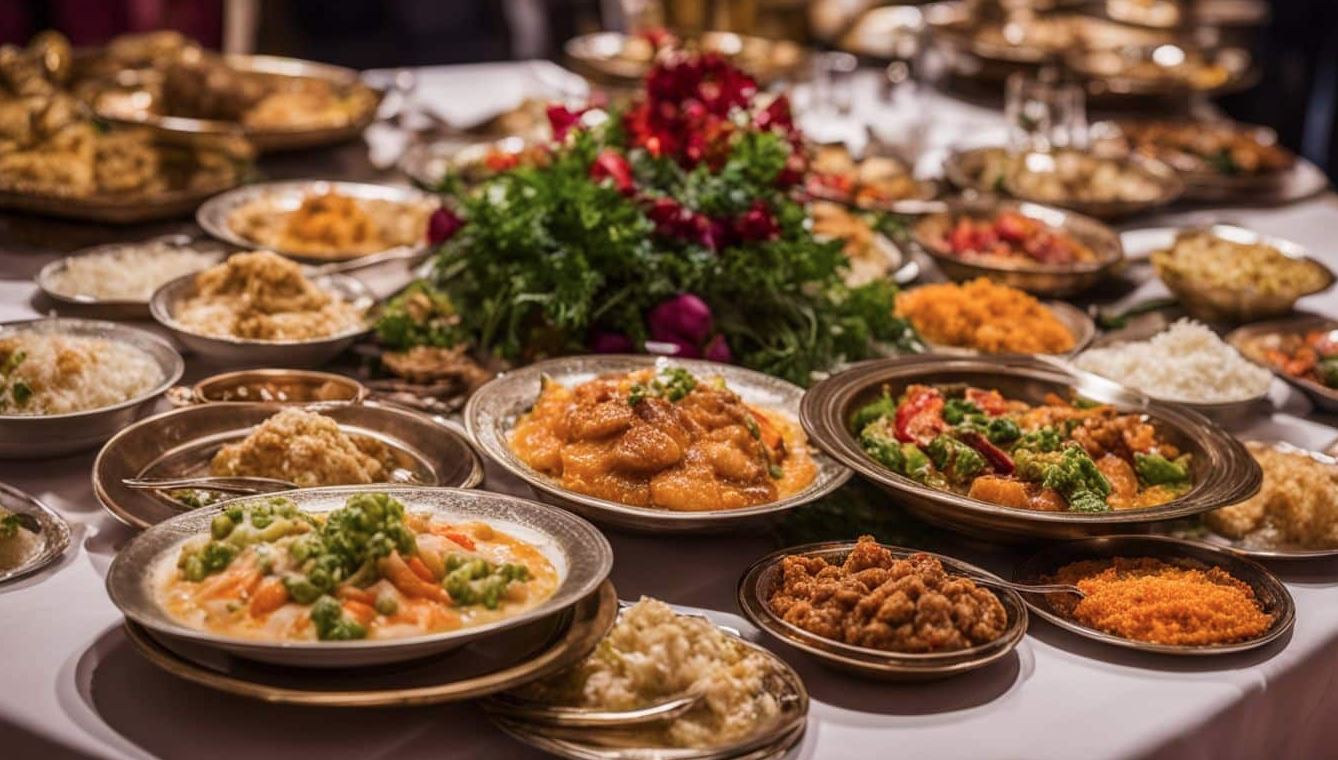
Sharing food is perhaps the most universal form of human connection. Around the world, the communal table represents trust and unity. In Ethiopia, diners eat from a shared platter of injera and stews, symbolizing equality and togetherness. In the Mediterranean, meze and tapas create conversation through sharing, blurring boundaries between individual and group. The act of breaking bread, literal or metaphorical, carries profound social meaning. It dissolves distance, affirms kinship, and turns strangers into companions. Every culture’s table is both a stage and a sanctuary, where food transforms social bonds into something tangible.
Even conflict and reconciliation find expression in food. Peace offerings often involve meals, from tribal gatherings to diplomatic banquets. In many indigenous traditions, feasting marks the restoration of harmony after disputes. Modern diplomacy, too, employs cuisine as soft power. State dinners showcase national identity through flavor, proving that food speaks louder than words. In these moments, culinary symbolism becomes a universal language of peace, inviting understanding through shared taste.
The Enduring Language of the Plate
Across centuries and continents, food has remained humanity’s most eloquent form of expression. It speaks of faith, identity, and memory, of seasons and cycles, of life and legacy. The symbols embedded in recipes and rituals reveal who we are and what we value. Whether it is rice offered to ancestors, bread broken among friends, or sweets shared at festivals, every bite carries meaning that transcends borders. To study culinary symbolism is to read history through the senses. It reminds us that food, at its essence, is not only nourishment but narrative. It is the story of civilization served on a plate, a language that continues to evolve with every meal shared and every culture remembered.